Neurociencia cognitiva Lingüística aplicada Ergonomía del lenguaje

Eliminamos el ${impuesto invisible} de trabajar en un segundo idioma.

Deje de traducir. Empiece a liderar.
EN VIVO $0.00
PROGRAMA INSIGNIA · PARA LÍDERES

Coaching neurocognitivo en segundo idioma

Libérese del costo cognitivo del inglés — para que su autoridad y agilidad estén a la altura de su intelecto.

PASO 01 · DIAGNÓSTICO
La Evaluación de Fenotipo Cognitivo — 50 tareas que identifican cuál de sus cinco fenotipos pierde energía bajo presión.
PASO 02 · ENTRENAMIENTO
El Gimnasio Cognitivo de 3 meses
Dos horas por semana durante tres meses — afinando intervenciones específicas hasta que el inglés funcione en piloto automático.
Definido a partir de su diagnóstico · por aplicación
Iniciemos la conversación →
rutas independientes
una, o ambas
PROGRAMA BASE · PARA EQUIPOS

Capacitación de idiomas para equipos globales

Desarrollo de idiomas corporativo que prepara a su equipo global para la siguiente oportunidad.

  • A la medida de su sector
  • A1–C2 · alineado al MCER
  • Presencial o en línea
  • Paneles para gerentes · acreditado CPD
◆ SIN COSTO · SIN COMPROMISO
La hoja de ruta de su equipo
Una prueba de nivel y un mapa de estilo de aprendizaje, seguidos de una sesión de trabajo donde entregamos una hoja de ruta y un plan curricular detallados — calendario, docentes, materiales y cómo es trabajar con nosotros. Suyo para conservar.
Solicite su hoja de ruta →
El diagnóstico de la realidad

México está perdiendo el idioma que más necesita — justo cuando más lo necesita.

La brecha de inglés no es un tema de habilidades blandas. Es la infraestructura que le falta al auge del nearshoring — y las cifras son difíciles de ignorar.
Dominio del inglés en México, por habilidad
#103 de 123 a nivel mundial · 17% inferior · ↓ a la baja
Promedio global · 488
Comprensión lectora
455
Comprensión auditiva
422
Expresión oral
413
Expresión escrita
399
Todas las habilidades están por debajo del promedio global — y la expresión oral y escrita, las habilidades de la autoridad ejecutiva, son las más débiles de todas.Fuente · EF English Proficiency Index 2025 · 123 países · puntaje nacional de México 440, −19 pts · México → toda América Latina →
$40.87B
IED récord en México en 2025, más $23.59 mil M solo en el 1T 2026 (+10.4%) — toda ella necesita líderes bilingües ya.
IED · 2025–1T 2026
67%
de los ejecutivos afirma que la falta de comunicación genera ineficiencia directamente.
Forbes Insights / Rosetta Stone
17min
de cada hora en reuniones en inglés — perdidos en descifrar, ideas no expresadas, retraso por traducción, reuniones de aclaración, fricción entre equipos y retrabajo.
Investigación de Pure Linguistics
El método

Dos programas. Una disciplina: hacer que el idioma fluya sin esfuerzo.

Un protocolo de 12 semanas basado en neurociencia cognitiva y lingüística aplicada — no es tutoría, no es improvisación.
01 · DIAGNÓSTICO

La Evaluación de Fenotipo Cognitivo

Una evaluación de 50 tareas y 25 autorreflexiones que identifica cuál de sus cinco Fenotipos Cognitivos pierde energía — con una batería biométrica de grado médico opcional.

02 · ENTRENAMIENTO

El Gimnasio Cognitivo

Dos horas por semana durante tres meses — afinando intervenciones específicas hasta que el inglés funcione en piloto automático y sin esfuerzo.

03 · MEDICIÓN

Antes y después

Una nueva evaluación y un informe de KPIs que muestran la capacidad que ha recuperado — medida, no estimada.

EEG · N400 / P600 VFC · Filtro afectivo fNIRS · Carga cortical 5 Fenotipos cognitivos
Desarrollo de idiomas corporativo alineado al MCER — diseñado en torno a su sector y medido por impacto en el negocio, no por horas acumuladas.
01 · UBICACIÓN

Diagnóstico y análisis de necesidades

Cada participante se ubica en la escala MCER (A1–C2) y se alinea con el idioma que su puesto realmente le exige.

02 · DESARROLLO

Sesiones en vivo + práctica con IA

Un currículo específico para su sector, impartido en vivo por instructores expertos y reforzado por un asistente de aprendizaje con IA entre sesiones.

03 · CERTIFICACIÓN

Seguimiento y certificación

Paneles para gerentes y certificación acreditada CPD — la prueba de que su equipo está listo para la siguiente oportunidad y el siguiente ascenso.

MCER · A1–C2 Certificado CPD Asistente de IA Paneles para gerentes
Kyle Stark — Founder & Lead Researcher, Pure Linguistics
Pioneros en ergonomía lingüística del segundo idioma

Kyle Stark

FUNDADOR E INVESTIGADOR PRINCIPAL · PURE LINGUISTICS
Maestría en Currículo e Instrucción, TESOL — University of Kansas
Investigador doctoral — Indiana University
Circuito 2026: GASLA 18 (University of Cambridge) · ponente en GLOBALET (Praga)
CON LA CONFIANZA DE EMPRESAS FORTUNE 500 Y LÍDERES REGIONALES
Deloitte
Jabil
SAFE Refacciones Originales
Rapido Solutions Group
Alfra
Altea Emotions
Comience aquí

Vea cuánto le está costando el impuesto.

Inicie la conversación sobre coaching ejecutivo o solicite una hoja de ruta de equipo sin costo — se irá con un plan claro, trabajemos juntos o no.
01 Vea el impuesto
02 Conozca la solución
03 Deje de pagarlo
o escriba a [email protected]
Coaching neurocognitivo en segundo idioma · Guadalajara, México
© 2026 Pure Linguistics
How to Learn Words and Phrases?

Mastering English vocabulary is one of the most challenging aspects of learning the language, especially at higher levels like B2 and C1. This is when you’ve already built a solid base of common words and now need to tackle idioms, phrasal verbs, abstract nouns, formal expressions, and professional terminology. The main challenge is moving words from passive recognition (understanding them when seen or heard) to active use (being able to use them confidently in speech and writing).

Understanding the Process of Developing Lexical Skills

There are numerous techniques for memorizing vocabulary, but they are not very effective without understanding the process of developing lexical skills. Developing lexical skills begins with recognizing a word in speech and writing. That is, when we see or hear a word and recognize it, matching its auditory form with its written form, and vice versa. You might know the translation or have a mental image tied to it, but does that mean you truly know the word? Not necessarily. Sometimes we get what a word means but struggle to explain it or use it ourselves. This only means that this word has entered our so-called passive vocabulary – words we recognize but do not use ourselves. 

Transitioning Words into Active Vocabulary

To move words into your active vocabulary, you need to do more than know the translation. You need to grasp its various meanings and how it fits into different situations. Looking for examples of word usage? Check out this article. Once you’ve seen and heard enough examples, you’ll naturally start using the word in your own speech.

Here’s a practical approach to memorizing new words and phrases:

  1. Write down the word/expression in a notebook or make a flashcard;
  2. Check the pronunciation of the word in any good dictionary, pronounce it several times;
  3. Look up its meaning in the dictionary and, if necessary, its translation;
  4. Look for collocations with this word (can be found in any good dictionary);
  5. Write down several collocations in your notebook/on the flashcard;
  6. Read and listen to examples of using the word/expression (the more, the better!);
  7. Create your own example (or better, 2-3 examples) with this word/expression, ideally related to your life;
  8. Regularly revisit and review these words to reinforce your memory.

Certainly, instead of a notebook, you can use any vocabulary memorization app (like Memrise, for example). Moreover, some even free dictionaries (like Lingvo, Cambridge Dictionary) allow you to create your own word lists.

In conclusion, learning vocabulary is a lifelong journey. You will always encounter unfamiliar words, new words will appear, old words will acquire new meanings, which is why it’s so important to constantly improve your lexical skills.
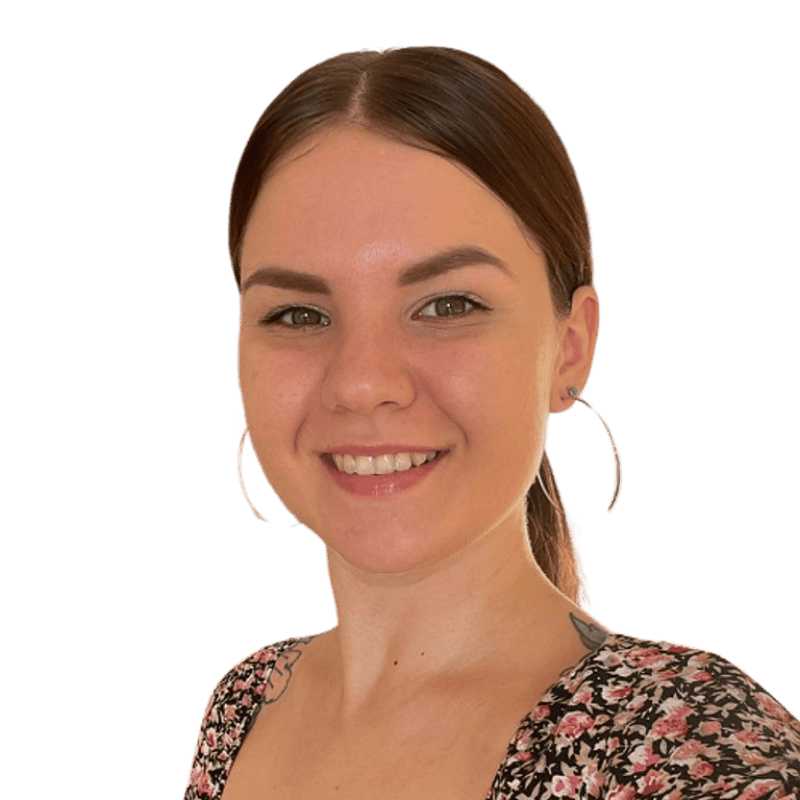

Picture of Anastasia Tolstikhina

Anastasia Tolstikhina

Anastasia is an experienced course designer, and a passionate English educator dedicated to inspiring and empowering students to enhance their proficiency in the English language.

Leave a Comment

Your email address will not be published. Required fields are marked *

Share this content.

Picture of Anastasia Tolstikhina

Anastasia Tolstikhina

Anastasia is an experienced course designer, and a passionate English educator dedicated to inspiring and empowering students to enhance their proficiency in the English language.

Table of contents

Scroll to Top
hey
Let’s talk

Fluent English speaking is key to business success. Discover how our specialized courses can help you achieve your goals.

We will get in touch